

What is Other Chemicals
Chemicals refer to substances that have a specific chemical composition and can undergo chemical reactions. They are composed of atoms or molecules and have distinct chemical properties.
Why Choose Us
High quality products
We always put customer needs and expectations in the first place, refine on, continuous improvement, to seek every opportunity to do better, to provide customers with their expectations of quality products, to provide customers with the most satisfactory service at anytime.
Professional service
We can accept factory inspection and goods inspection at any time. Technical discussion, research and development of new products, and complete after-sales service.
Quality assurance
In terms of quality assurance, the company strictly follows the standards and norms of the industry quality system. Adopt industry-leading testing equipment to ensure product quality and good reputation.
Rich experience
Has a long-standing reputation in the industry, which makes it stand out from its competitors. With over many years of experience, they have developed the skills necessary to meet their clients' needs.
Competitive prices
We offer our products at competitive prices, making them affordable for our customers. We believe that high-quality products should not come at a premium, and we strive to make our products accessible to all.
Professional team
We have a team of skilled and experienced professionals who are well-versed in the latest technology and industry standards. Our team is dedicated to ensuring that our customers get the best service and support possible.
-

Rubber Additives Zinc Oxide
Product Name: Zinc Oxide. Molecular Formula: ZnO. Molecular Weight: 81.39. CAS NO.: 1314-13-2. Add to Inquiry -
Crosslink Agent TAIC
Chemical Name: . Triallylisocyanurate. Molecular Formula: C12H15N3O3. Molecular Weight: 249.27. Add to Inquiry -
UV Absorber UV-P
Chemical Name: . 2-(2'-Hydroxy-5'-methylphenyl)benzotriazole. Molecular Formula: C13H11N30. Add to Inquiry -
POLYETHYLENE GLYCOL PEG 4000
Chemical Name: . Polyethylene glycol. Molecular Formula: HO(CH2CH2O)nH. Molecular Weight: 697.611. Add to Inquiry


What is UV Absorber UV P
UV Absorber UV-P is a chemical compound that belongs to the class of hydroxyphenyl benzotriazole. It is used to protect polymers from ultraviolet radiation, which can cause degradation, discoloration, and loss of mechanical properties. UV Absorber UV-P can absorb ultraviolet light in the range of 270-380 nm, and it is compatible with various polymers such as polyester, polystyrene, acrylic, and PVC1
Characteristics of UV Absorber UV P
01/
UV absorption ability
UV-P can effectively absorb ultraviolet rays in a specific wavelength range, protecting materials or products from the damaging effects of ultraviolet rays. Its high absorption efficiency helps prevent UV-induced degradation, fading, and aging.
02/
Broad-spectrum absorption
UV-P usually has a broad-spectrum absorption effect, capable of absorbing ultraviolet rays in different wavelengths. This comprehensive protection helps ensure the stability and durability of materials or products under various UV radiation conditions.
03/
Stable chemical properties
UV-P typically exhibits good chemical stability, resisting the effects of light, heat, and chemicals. This stability helps maintain the effectiveness of UV absorption over time and in different environments.
04/
Low toxicity and environmental friendliness
Most UV-P are designed to be low in toxicity and environmentally friendly, minimizing their impact on human health and the environment. This characteristic is crucial in applications where exposure to chemicals may be a concern.
05/
Compatibility
UV-P can be compatible with various materials and products, such as plastics, coatings, adhesives, and textiles. It does not significantly affect the properties or performance of these materials while providing UV protection.
06/
Transparency
Many UV-P are formulated to be transparent or nearly transparent, allowing them to be incorporated into materials without significantly altering their appearance or transparency. This transparency is beneficial in applications where maintaining the visual quality of the material is important.
In Which Industries Is UV Absorber UV-P Commonly Used
Plastic Industry
UV-P is often used in the production of plastic films, sheets, and fibers that are exposed to sunlight or other UV sources. It helps prevent UV-induced degradation, such as discoloration, embrittlement, and loss of mechanical strength.
Coatings and Paints Industry
UV-P is added to coatings and paints to protect the surfaces they cover, such as buildings, cars, and furniture, from UV damage. It helps maintain the appearance and integrity of the coated surface by preventing UV-induced fading and chalking.
Printing Industry
In the printing industry, UV-P is used to protect inkjet and toner prints from UV-induced fading. It helps ensure that the colors in the prints remain vibrant and true to their original hues.
Textile Industry
UV-P is applied to textiles to provide protection against UV damage. It is particularly useful in outdoor clothing and fabrics, where it helps prevent fading, weakening, and other forms of UV-induced degradation.
Agriculture Industry
UV-P is used in agricultural settings to protect crops from UV damage. It can be applied to greenhouse films or directly to the crops themselves to extend their shelf life and maintain their quality.
What Is the Stability Of UV Absorber UV-P Over Time
The stability of UV Absorber UV-P over time depends on various factors such as storage conditions and the specific application for which it is used. However, generally speaking, UV-P has good thermal and light stability, which means it maintains its effectiveness over time under normal conditions of use.
When stored properly in a cool, dry place, away from direct sunlight and heat sources, UV-P can retain its effectiveness for an extended period. Its low volatility also contributes to its long-term stability, as it does not easily evaporate or degrade over time.
It's important to note that the stability of UV-P can be affected by certain factors, such as exposure to high temperatures or prolonged UV radiation, which can accelerate its degradation. In such cases, the UV-P may lose its effectiveness over time, and it may need to be replaced more frequently.
While UV-P has good stability over time, proper storage and usage conditions are crucial to ensure it maintains its effectiveness and provides long-lasting protection against UV damage.
Can UV Absorber UV P Be Used in Food Packaging Materials
UV Absorber UV-P is not typically used in food packaging materials. While UV-P is effective at blocking harmful UV rays and protecting materials from UV damage, it is not intended for use in food packaging applications.
In food packaging, the focus is on maintaining the freshness, quality, and safety of the food product. Therefore, the materials used in food packaging must meet strict regulatory standards for food safety and comply with various regulations and standards.
UV-P is not typically used in food packaging because it may not meet these regulatory standards for food safety. Additionally, UV-P is not intended for direct contact with food products, and it may interact with the food or affect its taste, smell, or other properties.
Instead, food packaging materials typically use other types of additives or treatments to protect the packaged food from UV damage, such as UV-resistant coatings, UV-blocking films, or other specialized materials designed for food packaging applications.
Therefore, while UV-P can be an effective UV absorber for various non-food applications, it is not recommended for use in food packaging materials.
What is Polyethylene Glycol (PEG) 4000
Polyethylene Glycol (PEG) 4000 is a synthetic polymer that has many applications in various fields. It is a water-soluble, non-toxic, and biocompatible substance that can be used as a lubricant, solvent, plasticizer, surfactant, and drug delivery agent.

Characteristics of Polyethylene Glycol (PEG) 4000
1
Molecular Weight: The molecular weight of PEG 4000 is approximately 4000 g/mol. This high molecular weight makes PEG 4000 a viscous liquid at room temperature.
2
Physical State: PEG 4000 is a clear, colorless, and odorless liquid at room temperature. It has a viscosity similar to that of motor oil.
3
Solubility: PEG 4000 is highly soluble in water, alcohol, and most organic solvents. This makes it easy to incorporate into various formulations and mixtures.
4
Hygroscopicity: PEG 4000 has hygroscopic properties, meaning it can absorb moisture from the air. This characteristic makes it useful in applications where moisture control is important.
5
Chemical Stability: PEG 4000 is chemically stable and resistant to hydrolysis and oxidation. It can withstand a wide range of pH levels and temperatures without significant degradation.
6
Non-toxic and Non-irritating: PEG 4000 is considered non-toxic and non-irritating to the skin and eyes, making it suitable for use in various personal care and cosmetic products.
7
Versatility: Due to its unique properties, PEG 4000 finds applications in various industries, including pharmaceuticals, personal care, textiles, and food processing. Some of its common uses include as a lubricant, plasticizer, coating agent, binder, and humectant.
Is PEG Flammable
PEG is not highly flammable, but it can burn when exposed to high temperatures or flames. Its flammability depends on factors such as its purity, molecular weight, and the presence of other substances.
PEG is a polymer composed of ethylene glycol units. Ethylene glycol itself is combustible and can produce flammable vapors when heated. PEG, as a polymer of ethylene glycol, also has some flammable properties.
In general, PEG has a relatively low flammability compared to highly flammable liquids. However, it is still important to handle PEG with caution and take appropriate safety measures to prevent fires and ensure the safety of use.
When working with PEG or any flammable substance, it is recommended to follow safety guidelines, including keeping the substance away from flames, sparks, and other ignition sources. Proper ventilation should be provided to prevent the accumulation of flammable vapors. In case of a fire, appropriate firefighting equipment should be available.
If you have specific concerns or questions about the flammability of PEG in a particular application or environment, it is advisable to consult relevant safety regulations, chemical handling guidelines, or experts in the field.
What is the chemical structure of Polyethylene Glycol (PEG)
The chemical structure of Polyethylene Glycol (PEG) consists of a repeating unit of ethylene oxide (CH2CH2O) monomers. PEG is a polymer, and the number of ethylene oxide units determines its molecular weight. The general formula for PEG is HO-(CH2CH2O)n-H, where n represents the number of ethylene oxide units and determines the molecular weight of the specific PEG variant.
How to Store POLYETHYLENE GLYCOL PEG 4000
Store in a cool, dry place
POLYETHYLENE GLYCOL PEG 4000 should be stored in a place with a suitable temperature, avoiding direct sunlight and high temperatures. A cool and dry environment helps maintain the stability and quality of the product.
Keep out of reach of children and pets
POLYETHYLENE GLYCOL PEG 4000 should be stored in a safe place, out of reach of children and pets, to prevent accidental ingestion or contact.
Seal the container tightly
After use, make sure the container of POLYETHYLENE GLYCOL PEG 4000 is sealed tightly to prevent air and moisture from entering. This helps prevent the product from absorbing moisture and ensures its purity and effectiveness.
Avoid extreme temperatures
Excessive heat or cold can affect the properties of POLYETHYLENE GLYCOL PEG 4000. Therefore, avoid storing it in areas with extreme temperatures, such as near heat sources or in cold storage.
Follow the storage instructions provided by the manufacturer
Different manufacturers may have specific storage requirements for POLYETHYLENE GLYCOL PEG 4000. Therefore, it is recommended to follow the storage instructions provided by the manufacturer.
How Is POLYETHYLENE GLYCOL PEG 4000 Synthesized
Ethylene glycol Initialization
Ethylene glycol is a starting material for the synthesis of POLYETHYLENE GLYCOL PEG 4000. Ethylene glycol is typically heated and mixed with a catalyst to initiate the polymerization reaction.
Polymerization reaction
Under appropriate reaction conditions, the ethylene glycol molecules react with each other to form POLYETHYLENE GLYCOL chains. This reaction can be catalyzed by various substances, such as acids or bases.
Chain extension
To obtain POLYETHYLENE GLYCOL PEG 4000 with a specific molecular weight, the POLYETHYLENE GLYCOL chains are extended through a series of reactions. This can be achieved by adding more ethylene glycol molecules or by using chain-extending agents.
Purification and processing
After the synthesis is completed, the resulting POLYETHYLENE GLYCOL PEG 4000 mixture may need to be purified and processed to remove impurities and adjust the properties of the final product. This can include filtration, distillation, or other separation techniques.
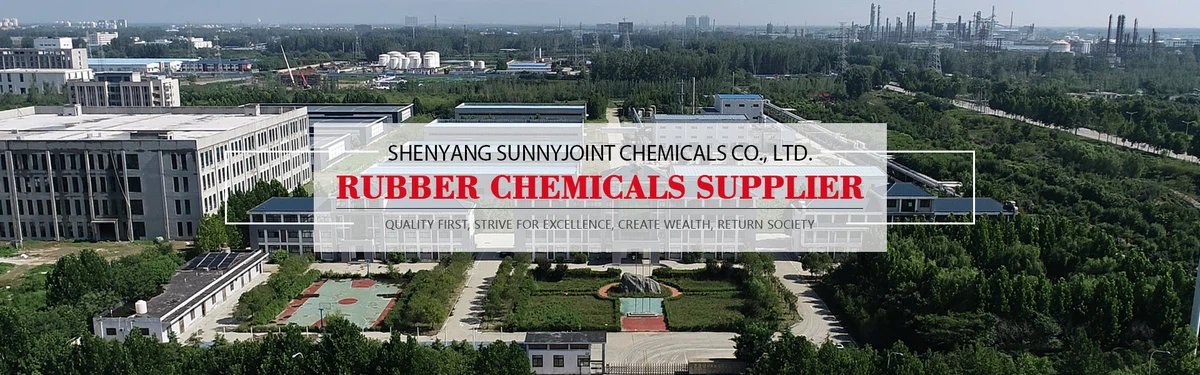
Our Factory
Shenyang Sunnyjoint Chemicals Co., Ltd. is a professional rubber chemicals supplier established in 2003, located in Shenyang, Liaoning province. We devote to rubber chemicals' research, development, production, and sales. The main serials of our products are rubber accelerator, rubber antioxidant, vulcanizing agent, antiscorching agent and so on.
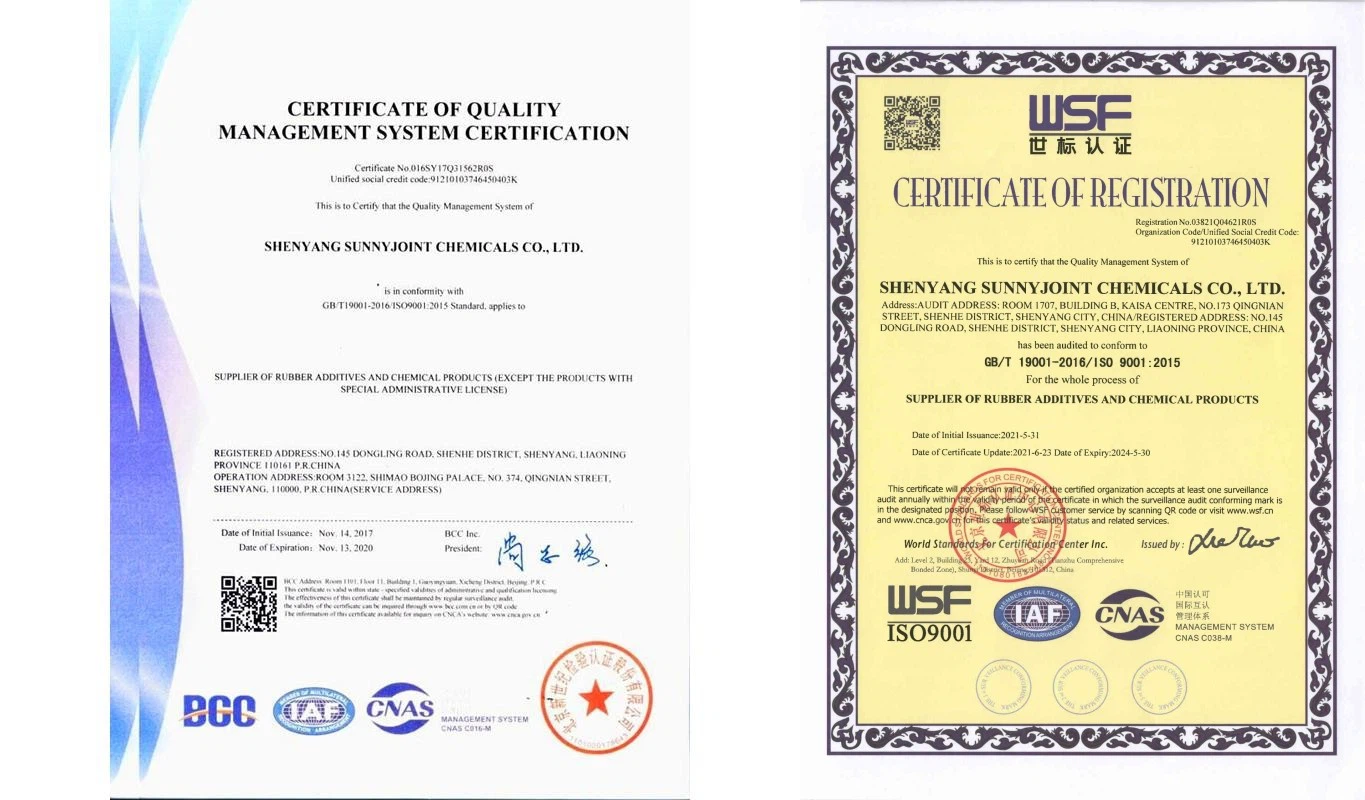
Certifications
FAQ
Q: How does UV Absorber UV-P work?
A: UV Absorber UV-P works by absorbing UV radiation and converting it into harmless heat energy. This prevents the UV rays from reaching and damaging the underlying materials, such as polymers or pigments.
Q: What are the main applications of UV Absorber UV-P?
A: UV Absorber UV-P is widely used in the formulation of sunscreens, moisturizers, and other cosmetic products to provide UV protection. It is also used in the production of plastic products, such as packaging materials and automotive parts, to prevent UV-induced degradation.
Q: Is UV Absorber UV-P safe for human use?
A: UV Absorber UV-P has been extensively tested for safety and is considered safe for use in cosmetic products. It is approved by regulatory authorities, such as the U.S. Food and Drug Administration (FDA), for use in sunscreens.
Q: Can UV Absorber UV-P cause skin irritation or allergies?
A: UV Absorber UV-P is generally well-tolerated by most individuals. However, like any cosmetic ingredient, it has the potential to cause skin irritation or allergies in some people. It is recommended to perform a patch test before using products containing UV Absorber UV-P.
Q: Does UV Absorber UV-P provide broad-spectrum UV protection?
A: UV Absorber UV-P primarily absorbs UVA and UVB rays, providing broad-spectrum UV protection. However, it is important to note that the level of protection may vary depending on the concentration of UV Absorber UV-P in the product and other factors.
Q: How long does UV Absorber UV-P remain effective on the skin?
A: The effectiveness of UV Absorber UV-P on the skin depends on various factors, such as the concentration of UV Absorber UV-P in the product, the application method, and the individual's activities (e.g., sweating, swimming). It is generally recommended to reapply sunscreen every 2 hours for optimal protection.
Q: Can UV Absorber UV-P be used in combination with other UV filters?
A: Yes, UV Absorber UV-P can be used in combination with other UV filters, such as titanium dioxide or zinc oxide, to enhance the overall UV protection of a product. This combination is often used in sunscreens to provide both chemical and physical UV protection.
Q: Does UV Absorber UV-P have any impact on the texture or appearance of cosmetic products?
A: UV Absorber UV-P is typically formulated to have minimal impact on the texture or appearance of cosmetic products. It is designed to be easily incorporated into various formulations without causing significant changes in the product's characteristics.
Q: Can UV Absorber UV-P be used in water-resistant or sweat-resistant formulations?
A: Yes, UV Absorber UV-P can be used in water-resistant or sweat-resistant formulations. It is often included in sunscreens that claim to be water-resistant or sweat-resistant to provide extended UV protection during outdoor activities.
Q: Does UV Absorber UV-P have any environmental impact?
A: UV Absorber UV-P is considered to have a low environmental impact. However, it is important to follow proper disposal practices and comply with local regulations when handling products containing UV Absorber UV-P.
Q: What are the main applications of Polyethylene Glycol PEG 4000?
A: Polyethylene Glycol PEG 4000 is used as a solubilizer, emulsifier, and viscosity modifier in pharmaceutical formulations. It is also used as a binder, lubricant, and humectant in cosmetic and personal care products.
Q: How does Polyethylene Glycol PEG 4000 work as a solubilizer?
A: Polyethylene Glycol PEG 4000 has the ability to solubilize both hydrophilic and lipophilic substances. It forms complexes with poorly soluble drugs or ingredients, enhancing their solubility and bioavailability.
Q: Can Polyethylene Glycol PEG 4000 be used in oral pharmaceutical formulations?
A: Yes, Polyethylene Glycol PEG 4000 is commonly used in oral pharmaceutical formulations, such as tablets and capsules. It helps to improve the dissolution and absorption of drugs, leading to enhanced therapeutic efficacy.
Q: Is Polyethylene Glycol PEG 4000 safe for human use?
A: Polyethylene Glycol PEG 4000 is generally considered safe for human use. It has a long history of use in pharmaceutical and cosmetic products. However, individuals with specific allergies or sensitivities should consult with a healthcare professional before using products containing Polyethylene Glycol PEG 4000.
Q: Can Polyethylene Glycol PEG 4000 be used in topical formulations?
A: Yes, Polyethylene Glycol PEG 4000 can be used in topical formulations, such as creams and ointments. It helps to improve the spreadability and absorption of active ingredients into the skin.
Q: Does Polyethylene Glycol PEG 4000 have any moisturizing properties?
A: Polyethylene Glycol PEG 4000 has humectant properties, which means it can attract and retain moisture on the skin. This can help to hydrate and moisturize the skin when used in cosmetic and personal care products.
Q: Can Polyethylene Glycol PEG 4000 be used in hair care products?
A: Yes, Polyethylene Glycol PEG 4000 can be used in hair care products, such as shampoos and conditioners. It helps to improve the texture and manageability of the hair, making it easier to comb and style.
Q: Does Polyethylene Glycol PEG 4000 have any potential side effects?
A: Polyethylene Glycol PEG 4000 is generally well-tolerated. However, in rare cases, it may cause skin irritation or allergic reactions in individuals with hypersensitivity. It is recommended to perform a patch test before using products containing Polyethylene Glycol PEG 4000.
Q: Can Polyethylene Glycol PEG 4000 be used in sensitive skin formulations?
A: Polyethylene Glycol PEG 4000 is generally suitable for use in sensitive skin formulations. However, individuals with specific skin conditions or sensitivities should consult with a dermatologist before using products containing Polyethylene Glycol PEG 4000.
Q: Can Polyethylene Glycol PEG 4000 be used in pediatric formulations?
A: Polyethylene Glycol PEG 4000 is commonly used in pediatric formulations, such as oral suspensions and suppositories. However, the appropriate dosage and formulation should be determined by a healthcare professional.
As a professional China other chemicals manufacturer and suppliers, we supply rubber chemical, rubber additive and prepared rubber products with high quality and best price. Feel free to buy our quality other chemicals.
