

Our advantage
Professional
We devote to rubber chemicals' research, development, production, and sales.

Main products
The main serials of our products are rubber accelerator, rubber antioxidant, vulcanizing agent, antiscorching agent and so on.

Certificate
We have already been qualified by ISO9001:2000, SGS, REACH, etc.

Wide applications
Our products are widely used in rubber tires, tubes, belts, wires, cables and other rubber products.
Our Certificate

Rubber Antioxidants and Their Transformation Products
Rubber Antioxidants: Safeguarding Rubber Performance
Rubber antioxidants are vital additives incorporated into rubber formulations to mitigate the detrimental effects of oxidation. As rubber products are exposed to environmental factors like heat, oxygen, and light, they are prone to oxidative degradation, resulting in loss of elasticity, cracking, and overall deterioration. Antioxidants play a crucial role in extending the service life and maintaining the performance of rubber-based materials.


Types of Rubber Antioxidants:
Phenolic Antioxidants: These antioxidants interrupt the oxidation process by donating hydrogen atoms to free radicals, preventing chain reactions that lead to degradation. Common examples include 2,6-di-tert-butyl-4-methylphenol (BHT) and 2,2'-methylenebis(4-methyl-6-tert-butylphenol) (MBMB).
Amine Antioxidants: Acting as radical scavengers, amine antioxidants interrupt the oxidation chain reaction by capturing free radicals. Examples include diphenylamine and paraphenylene diamine.
Transformation Products:
As rubber antioxidants fulfill their role in inhibiting oxidation, they undergo transformation processes, leading to the generation of byproducts.
Oxidation of Phenolic Antioxidants: Phenolic antioxidants can undergo oxidation themselves, forming quinones and other reactive species. These byproducts may further interact with rubber molecules or contribute to the overall chemical changes within the material.
Amine Degradation: Amine antioxidants may experience degradation through processes such as oxidation and polymerization. The byproducts formed during degradation can influence the overall chemical composition of the rubber, affecting its performance over time.

Benefits of Rubber Antioxidants
Oxidation Resistance
Antioxidants protect rubber from oxidative degradation, preventing the formation of cracks and preserving elasticity.
Extended Service Life
By inhibiting the detrimental effects of oxygen and heat, antioxidants help prolong the service life of rubber products, reducing the need for frequent replacements.
Improved Weathering Resistance
Rubber exposed to outdoor conditions can degrade over time. Antioxidants shield against weathering effects, maintaining the material's integrity in various environmental conditions.
Enhanced Thermal Stability
Antioxidants contribute to the thermal stability of rubber, preventing degradation at high temperatures during manufacturing processes or service.
Application of Rubber Antioxidants
Applications of rubber antioxidants span a wide range, including the manufacturing of tires, conveyor belts, hoses, seals, and other rubber products. Additionally, they find use in automotive components, industrial goods, and even in the production of footwear. The incorporation of antioxidants ensures that rubber-based materials withstand environmental challenges, delivering reliable and long-lasting performance across diverse applications.
-

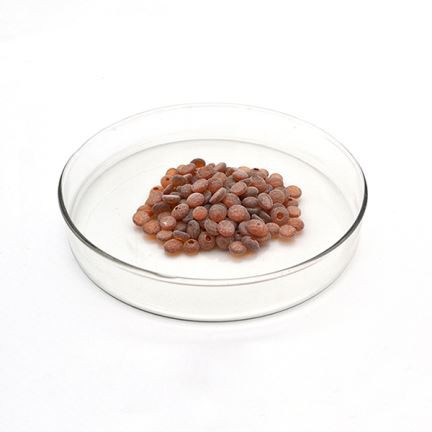
TMQ GRANULE
Chemical Name:. Polymerized 2,2,4-trimethyl-1,2-dihydroquinoline. Molecular Formula: (C12H15N)n. Add to Inquiry -
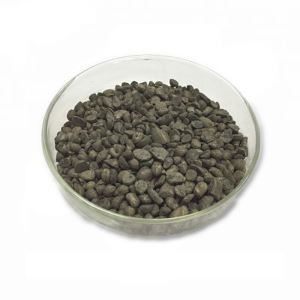
Rubber Antioxidant 6PPD(4020)
Chemical Name:. N-(1,3-dimethylbutyl)-N’-phenyl-p-phenylene diamine. Molecular Formula: C18H24N2. Add to Inquiry -
Antioxidant IPPD 101-72-4
Chemical Name:. N-isopropyl-N'-phenyl-p-phenylene diamine. Molecular Formula: C15H28N2. Molecular Add to Inquiry -
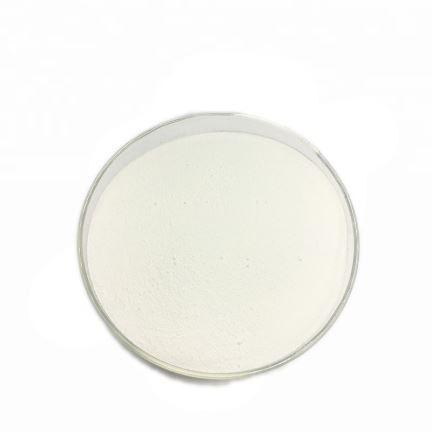
Rubber Antioxidant MB POWDER
Product Name: 2-Mercapto benzimidazole. Molecular Formula: C7H6N2S. Molecular Weight: 150.16. Add to Inquiry -
Rubber Antioxidant 6PPD 793-24-8
Chemical Name:. N-(1,3-dimethylbutyl)-N’-phenyl-p-phenylene diamine. Molecular Formula: C18H24N2. Add to Inquiry -
Rubber Antioxidant TMQ 26780-96-1
Chemical Name:. Polymerized 2,2,4-trimethyl-1,2-dihydroquinoline. Molecular Formula: (C12H15N)n. Add to Inquiry -
Antioxidant TDQ
Chemical Name:. Polymerized 2,2,4-trimethyl-1,2-dihydroquinoline. Molecular Formula: (C12H15N)n. Add to Inquiry -
Rubber Antioxidant TDQ
Chemical Name:. Polymerized 2,2,4-trimethyl-1,2-dihydroquinoline. Molecular Formula: (C12H15N)n. Add to Inquiry -
Antioxidant 6PPD(4020)
Chemical Name:. N-(1,3-dimethylbutyl)-N’-phenyl-p-phenylene diamine. Molecular Formula: C18H24N2. Add to Inquiry -
Rubber Antioxidant 4020
Chemical Name:. N-(1,3-dimethylbutyl)-N’-phenyl-p-phenylene diamine. Molecular Formula: C18H24N2. Add to Inquiry -
RUBBER 2246
Product Name: . 2,2’-methylenebis(4-methyl-6-tertbutylphenol). Molecular Formula: C23H32O2. Add to Inquiry -
Antioxidant BLE POWDER
Product Name: 2-Propanone diphenylamine. Molecular Formula: C15H15N. Molecular Weight: 209.32. Add to Inquiry







What are Rubber Antioxidants?
Definition of Rubber Antioxidants
Rubber antioxidants are chemical compounds added to rubber during the manufacturing process to prevent oxidative degradation. Oxidation can lead to the deterioration of rubber, causing it to lose its elasticity and strength over time. Rubber antioxidants play a crucial role in enhancing the durability and performance of rubber products by inhibiting the harmful effects of oxygen, ozone, and other environmental factors.
Types of Rubber Antioxidants
There are several types of rubber antioxidants, each designed to combat specific forms of degradation. The main categories include:
- Phenolic Antioxidants: These antioxidants contain phenolic groups and are effective against oxygen-induced degradation. They interrupt the oxidation process by donating hydrogen atoms to reactive radicals.
- Amine Antioxidants: Amine-based antioxidants are particularly effective against ozone-induced degradation. They react with ozone to form stable products, preventing its harmful effects on rubber.
- Phosphite Antioxidants: These antioxidants protect rubber against heat and oxygen-induced degradation. They function by decomposing hydroperoxides formed during the oxidation process.
- Quinoline Antioxidants: Quinoline derivatives are often used as antioxidants due to their ability to prevent the formation of free radicals and inhibit oxidative degradation.
How do Rubber Antioxidants Work?
Explanation of The Mechanism of Action of Rubber Antioxidants
Rubber antioxidants primarily function by interrupting the oxidation process within rubber materials. Oxidation is a chemical reaction that occurs when oxygen reacts with the polymer chains in rubber. This process can be accelerated by factors like heat, light, and pollution. Rubber antioxidants work through the following mechanisms:
- Free Radical Scavenging: Rubber antioxidants are molecules with the ability to scavenge and neutralize free radicals that are generated during the oxidation process. Free radicals are highly reactive species that can initiate chain reactions, leading to the breakdown of polymer chains in rubber. By neutralizing these free radicals, antioxidants break the chain reaction and prevent further degradation.
- Chelation: Some rubber antioxidants can also chelate with metal ions that act as catalysts for oxidation. By binding to these metal ions, antioxidants can inhibit their ability to promote oxidation reactions, thereby slowing down the degradation process.
- Hydroperoxide Decomposition: Rubber antioxidants can also break down hydroperoxides, which are intermediates formed during the oxidation of rubber. Hydroperoxides are highly reactive and can cause cross-linking and chain scission in the polymer. Antioxidants help prevent these reactions by decomposing hydroperoxides into non-reactive products.

Role of Rubber Antioxidants in Preventing Rubber Degradation
- Stabilizing Physical Properties: Rubber antioxidants help maintain the physical properties of rubber materials, such as flexibility, elasticity, and tensile strength, over an extended period. This ensures that rubber products retain their functionality and structural integrity.
- Improving Heat Resistance: Antioxidants enhance the heat resistance of rubber by preventing the formation of heat-induced cracks and brittleness. This is particularly important in applications where rubber is exposed to elevated temperatures.
- Enhancing Weather Resistance: Rubber products exposed to outdoor conditions are susceptible to degradation from UV radiation and other environmental factors. Antioxidants protect against weathering by intercepting the oxidative reactions triggered by these elements.
- Reducing Oxidation-Related Failures: Rubber antioxidants significantly reduce the risk of premature failure due to oxidation. This is essential in critical applications, such as automotive tires and industrial seals, where reliability and safety are paramount.
Types of Degradation Prevented
Rubber antioxidants are effective in preventing various types of degradation in rubber, including:
- Oxidative Aging: This is the most common form of rubber degradation, where exposure to oxygen, heat, and light causes the material to become brittle, crack, and lose its elasticity.
- Thermal Degradation: Rubber materials can deteriorate when exposed to high temperatures. Antioxidants help maintain the rubber's integrity in applications involving elevated temperatures.
- UV Degradation: Rubber products exposed to ultraviolet (UV) radiation from sunlight can undergo surface cracking and discoloration. Antioxidants mitigate these effects by protecting against UV-induced oxidation.
- Chemical Attack: Some chemicals, such as ozone and certain pollutants, can lead to rubber degradation. Rubber antioxidants help shield against chemical attacks and maintain the material's chemical resistance.
Rubber Antioxidants and Their Applications
Importance of Rubber Antioxidants in the Rubber Industry
- Extended Product Lifespan: Rubber antioxidants significantly extend the lifespan of rubber products by preventing or slowing down oxidative degradation. This is vital for applications where durability is paramount.
- Enhanced Performance: Antioxidants contribute to the overall performance of rubber by maintaining its elasticity, flexibility, and strength. This is particularly important in industries such as automotive, aerospace, and construction.
- Cost Savings: By protecting rubber against degradation, antioxidants contribute to reduced maintenance and replacement costs. This is especially relevant in industries where downtime and frequent replacements can be expensive.
- Environmental Stability: Rubber products exposed to various environmental conditions, such as sunlight and pollution, can benefit from antioxidants that shield against these elements, preserving the integrity of the material.

Applications of Rubber Antioxidants in Different Rubber Products
1. Tires
Rubber antioxidants are extensively used in tire manufacturing to enhance the resistance of rubber to oxidative aging. This results in tires that have improved tread life, maintain flexibility, and exhibit better overall performance.
2. Automotive Parts
Various rubber components in vehicles, such as seals, gaskets, and hoses, benefit from the incorporation of antioxidants. These additives help maintain the integrity of rubber materials in the presence of harsh environmental conditions, such as heat, humidity, and exposure to pollutants.
3. Footwear
Rubber antioxidants contribute to the durability and lifespan of rubber-soled footwear. By protecting against oxidation, these additives ensure that the rubber remains flexible, preventing cracks and ensuring prolonged use.
4. Industrial Belts
Belts used in industrial applications, such as conveyor belts, benefit from the addition of antioxidants. This helps resist deterioration caused by exposure to elements like sunlight and oxygen, ensuring reliable and long-lasting performance.
5. Rubber Hoses and Tubes
Rubber hoses and tubes, commonly used in various industries, rely on antioxidants to mitigate degradation caused by exposure to harsh environmental conditions, including temperature variations and chemical exposure.
Examples of Rubber Products that Use Rubber Antioxidants
- Michelin Tires
Michelin incorporates advanced rubber antioxidant formulations in their tires to ensure extended tread life and optimal performance under various driving conditions.
- Automotive Seals by Freudenberg
Freudenberg, a leading automotive supplier, utilizes rubber antioxidants in the production of seals and gaskets to enhance the longevity and reliability of these critical components.
- Nike Running Shoes
Nike employs rubber antioxidants in the manufacturing of their running shoes to maintain the flexibility and resilience of the rubber soles, ensuring durability and comfort for athletes.
- ContiTech Conveyor Belts
ContiTech, a global leader in conveyor belt manufacturing, integrates rubber antioxidants to enhance the resistance of their industrial belts, providing reliable and long-lasting conveying solutions.
Advantages and Disadvantages of Rubber Antioxidants
Advantages of Using Rubber Antioxidants
Rubber antioxidants play a crucial role in the rubber industry by providing several advantages:
- Oxidation Resistance: The primary function of rubber antioxidants is to protect rubber materials from oxidative degradation. They inhibit the formation of free radicals, preventing the oxidation process that leads to the deterioration of rubber products.
- Extended Service Life: By preventing the degradation of rubber, antioxidants contribute to extending the service life of rubber products. This is particularly important in industries where durable and long-lasting rubber materials are essential.
- Temperature Stability: Rubber antioxidants enhance the thermal stability of rubber products. They help the rubber withstand high temperatures without undergoing significant degradation, making them suitable for a wide range of applications.
- Improved Performance: The use of antioxidants can enhance the overall performance of rubber materials, ensuring they maintain their mechanical properties, flexibility, and resilience over time.
- Cost-Effective: While the initial cost of incorporating antioxidants into rubber formulations may be a consideration, the long-term benefits in terms of extended product life and performance can outweigh the initial investment.
Disadvantages of Using Rubber Antioxidants
Despite their benefits, the use of rubber antioxidants comes with certain drawbacks:
- Environmental Impact: Some rubber antioxidants may have environmental implications. The disposal of rubber products containing antioxidants, especially if not done properly, can contribute to environmental pollution.
- Potential Health Concerns: In certain cases, there may be concerns about the impact of rubber antioxidants on human health, particularly during the manufacturing process or in industries where exposure is high. Proper safety measures and regulations are necessary to address these concerns.
- Compatibility Issues: The effectiveness of antioxidants can be influenced by factors such as the type of rubber, processing conditions, and other additives in the formulation. Achieving optimal compatibility can be challenging.
Risks Associated with Rubber Antioxidants
- Allergies and Sensitivities: Some individuals may be allergic or sensitive to certain rubber antioxidants, leading to skin irritation or respiratory issues. Proper handling and personal protective equipment are essential to minimize these risks.
- Contamination of End Products: If not used or processed correctly, rubber antioxidants may contaminate the final rubber product, affecting its properties and potentially compromising its quality.
- Regulatory Compliance: The use of certain rubber antioxidants may be subject to regulatory restrictions or guidelines due to environmental or health concerns. Manufacturers must stay informed about and comply with these regulations to avoid legal issues.

Environmental Impact Of Rubber Antioxidants
Impact of Rubber Antioxidants in the Environment
- Chemical Residue: The manufacturing and application of rubber antioxidants can result in the release of chemical residues into the environment, potentially leading to soil and water contamination.
- Ecotoxicity: Some components of rubber antioxidants may pose risks to aquatic life and terrestrial organisms, impacting ecosystems through bioaccumulation and biomagnification.
- Air Emissions: During production processes, volatile organic compounds (VOCs) and other pollutants associated with rubber antioxidants may be released into the atmosphere, contributing to air pollution.
- End-of-life Disposal: Improper disposal of rubber-containing products treated with antioxidants can lead to long-term environmental issues. Rubber materials may take a considerable amount of time to degrade, contributing to landfill problems.
Methods of Disposing of Rubber Antioxidants
Efficient disposal methods are crucial to mitigate the environmental impact of rubber antioxidants:
- Recycling: Encouraging the recycling of rubber products treated with antioxidants can minimize the need for disposal. Recycling prevents the release of chemicals and reduces the demand for new raw materials.
- Incineration: Controlled incineration can be a viable method for disposing of rubber antioxidants. However, this process must be carefully managed to avoid the release of harmful byproducts into the air.
- Landfill Management: Proper landfilling, with consideration for leachate containment and monitoring, can be a temporary solution. However, it is essential to explore alternatives due to the long decomposition time of rubber.
- Research into Biodegradable Alternatives: Investing in the development of biodegradable rubber antioxidants can significantly reduce the environmental impact associated with their disposal.
Importance of Using Eco-friendly Rubber Antioxidants
Adopting eco-friendly practices in the production and use of rubber antioxidants is crucial for sustainable development:
- Reduced Environmental Footprint: Eco-friendly antioxidants can minimize the adverse effects associated with traditional counterparts, decreasing pollution and resource depletion.
- Biodegradability: Eco-friendly antioxidants break down more readily in the environment, reducing the persistence of harmful residues and contributing to overall ecosystem health.
- Regulatory Compliance: As environmental regulations become more stringent, using eco-friendly rubber antioxidants ensures compliance with evolving environmental standards, safeguarding both public and environmental health.
- Corporate Social Responsibility: Companies embracing eco-friendly alternatives demonstrate a commitment to responsible environmental stewardship, enhancing their corporate image and contributing to a more sustainable future.

FAQ

CONTENT
01. Are rubber antioxidants natural or synthetic?
Rubber antioxidants can be either natural or synthetic. Natural antioxidants may come from sources like plants, while synthetic ones are chemically produced.
02. How are rubber antioxidants extracted from natural sources?
Natural rubber antioxidants are typically extracted through processes like solvent extraction or steam distillation from plants.
03. What are the key considerations in the manufacturing of synthetic rubber antioxidants?
Manufacturing involves chemical synthesis, and factors such as purity, stability, and compatibility with rubber play crucial roles.
04. What is the recommended dosage of rubber antioxidants in rubber products?
The recommended dosage varies depending on the type of antioxidant and the specific rubber formulation. It's essential to follow manufacturer guidelines.
05. Can excess use of rubber antioxidants be harmful to the rubber product or the environment?
Excessive use may lead to issues such as blooming or negatively affect certain physical properties of rubber. Environmental impact depends on the specific antioxidant used.
06. Are there specific precautions to take when handling rubber antioxidants in manufacturing?
Precautions include using protective equipment, proper ventilation, and following safety data sheet guidelines to minimize exposure risks.
07. Do rubber antioxidants have an impact on the color of rubber products?
Some antioxidants may affect the color of rubber, and this should be considered during formulation to achieve desired product aesthetics.
08. Can rubber antioxidants be used in conjunction with other additives, such as accelerators or plasticizers?
Yes, rubber antioxidants can be combined with other additives to achieve desired properties, but compatibility should be confirmed during formulation.
09. How do temperature and storage conditions affect the stability of rubber antioxidants?
Rubber antioxidants are generally stable, but exposure to extreme temperatures or improper storage conditions can affect their efficacy. Recommended storage conditions should be followed.
10. Is there a shelf life for rubber antioxidants?
Rubber antioxidants typically have a shelf life, and manufacturers provide information on recommended storage durations to ensure optimal performance.
11. What testing methods are available to assess the effectiveness of rubber antioxidants in rubber products?
Common testing methods include oxidative induction time (OIT) and various analytical techniques to evaluate the physical and chemical properties of the rubber.
12. Can rubber antioxidants be used in applications beyond traditional rubber products?
Yes, rubber antioxidants may find applications in various industries where oxidative degradation of polymers is a concern.
13. Are there any restrictions or regulations regarding the use of rubber antioxidants in certain regions or applications?
Depending on the type and composition, some rubber antioxidants may be subject to specific regulations. It's important to be aware of and comply with regional guidelines.
14. How does the choice of rubber antioxidant vary for different types of rubber, such as natural rubber versus synthetic rubber?
The choice may depend on the specific properties of each type of rubber. Compatibility and performance considerations are essential in the selection process.
15. Can rubber antioxidants be used in food-grade rubber products?
Specialized food-grade rubber antioxidants may be available, but compliance with food safety regulations and certifications is crucial for such applications.
16. What are the common packaging methods for rubber antioxidants, and why are they important?
Rubber antioxidants are often packaged in airtight containers to prevent exposure to air and moisture, which can compromise their efficacy.
17. Is there ongoing research or development in the field of rubber antioxidants?
Yes, ongoing research focuses on developing more efficient and environmentally friendly rubber antioxidants, as well as exploring new applications and formulations for different industries.
As a professional China rubber antioxidant manufacturer and suppliers, we supply rubber chemical, rubber additive and prepared rubber products with high quality and best price. Feel free to buy our quality rubber antioxidant.
