

What is Peptizer
Peptizers serve as either oxidation catalysts or radical acceptors, which essentially remove free radicals formed during the initial mixing of the elastomer. This prevents polymer recombination, allowing a consequent drop in polymer molecular weight, and thus the reduction in compound viscosity.
Advantages of Peptizer
Improved Processing Efficiency
Peptizers reduce the viscosity of rubber compounds, making them easier to process, mold, and shape. This results in faster processing times and increased productivity. Peptizers also improve the dispersion of fillers, accelerators, and other additives within the rubber matrix, ensuring a more homogeneous mixture. This leads to more consistent and higher-quality rubber products.
Reduced Energy Consumption
Peptizers lower the processing temperature and reduce the time required for curing, leading to lower energy costs and reduced greenhouse gas emissions. By reducing the viscosity of rubber compounds, peptizers also reduce the energy consumption required for processing, leading to lower production costs.
Enhanced Physical Properties
Peptizers improve the elasticity, tensile strength, and tear resistance of rubber compounds, resulting in more durable and longer-lasting rubber products. They also improve the adhesion between rubber and other materials, such as metal or fabric, which is important in many rubber applications.
Cost Savings
Peptizers reduce the amount of raw materials required to produce rubber compounds, leading to lower material costs and improved profitability. They also reduce waste and disposal costs. By improving the flowability of rubber compounds, peptizers reduce the energy consumption required for processing, leading to lower production costs.
Improved Product Quality
Peptizers reduce the occurrence of defects, such as air bubbles and surface imperfections, resulting in more consistent and higher-quality rubber products. They also improve the physical properties of rubber compounds, such as elasticity, tensile strength, and tear resistance, resulting in more durable and longer-lasting rubber products.
Versatility
Peptizers can be used in a wide range of rubber applications, including automotive, construction, industrial, and consumer products. They are compatible with various types of rubber, making them a flexible option for rubber manufacturers. Peptizers can also be used in combination with other additives, such as accelerators and antioxidants, to achieve specific performance characteristics.
-

Peptizer DBD
Chemical Name:. 2,2′-Dibenzamido diphphenyl disulfide. Molecular Formula: C26H20N2O2S2. Add to Inquiry -
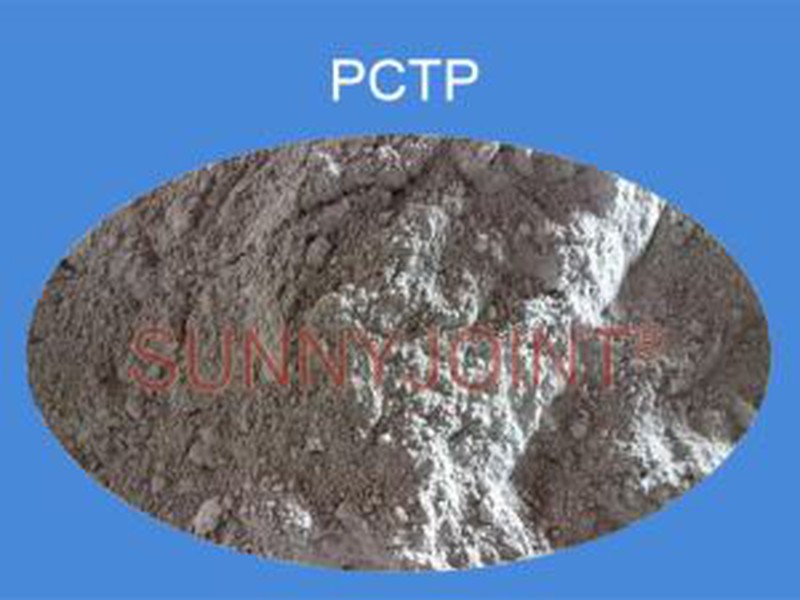
Peptizing Agent PCTP
Chemical Name:. Penta-chloro Thiophenol. Molecular Formula: C6CL5SH. Molecular Weight: 282.40. Add to Inquiry -
Rubber Plasticizer DBD 135-57-9
Chemical Name:. 2,2′-Dibenzamido diphphenyl disulfide. Molecular Formula: C26H20N2O2S2. Add to Inquiry -
Peptizer A-86 (DBD)
Chemical Name:. 2,2′-Dibenzamido diphphenyl disulfide. Molecular Formula: C26H20N2O2S2. Add to Inquiry -
RUBBER DBD
Chemical Name:. 2,2′-Dibenzamido diphphenyl disulfide. Molecular Formula: C26H20N2O2S2. Add to Inquiry -
Rubber Peptizer PCTP 113-49-3
Product Name: Penta-chloro Thiophenol. Molecular Formula: C6CL5SH. Molecular Weight: 282.40. CAS Add to Inquiry -
Rubber Peptizer DBD
P-22(DBD) Specification Properties White or pale yellow powder, low toxicity. Soluble in organic Add to Inquiry -
Rubber Plasticizer/Peptizer 2,2'-Dithiobisbenzanilide
Chemical Name:. 2,2′-Dibenzamido diphphenyl disulfide. Molecular Formula: C26H20N2O2S2. Molecular Add to Inquiry -
2,2′-Dibenzamido Diphphenyl Disulfide(P-22)
P-22(DBD) Specification Properties White or pale yellow powder, low toxicity. Soluble in organic Add to Inquiry




Why Choose Us
High quality products
We always put customer needs and expectations in the first place, refine on, continuous improvement, to seek every opportunity to do better, to provide customers with their expectations of quality products, to provide customers with the most satisfactory service at anytime.
Professional service
We can accept factory inspection and goods inspection at any time. Technical discussion, research and development of new products, and complete after-sales service.
Quality assurance
In terms of quality assurance, the company strictly follows the standards and norms of the industry quality system. Adopt industry-leading testing equipment to ensure product quality and good reputation.
Rich experience
Has a long-standing reputation in the industry, which makes it stand out from its competitors. With over many years of experience, they have developed the skills necessary to meet their clients' needs.
Competitive prices
We offer our products at competitive prices, making them affordable for our customers. We believe that high-quality products should not come at a premium, and we strive to make our products accessible to all.
Professional team
We have a team of skilled and experienced professionals who are well-versed in the latest technology and industry standards. Our team is dedicated to ensuring that our customers get the best service and support possible.
How Is Peptizer Made or Produced
Raw Material Selection
The first step in the production of peptizers is the selection of raw materials. The main components of peptizers are fatty acids and metal salts. The choice of fatty acid and metal salt will depend on the desired properties and application of the peptizer.
Reaction
The selected fatty acid and metal salt are mixed together in a reactor vessel. The reaction can be carried out under specific temperature and pressure conditions, depending on the specific peptizer being produced. The reaction allows the fatty acid to react with the metal salt, forming the desired peptizer compound.
Purification
After the reaction, the mixture is typically subjected to purification processes to remove impurities and unwanted by-products. This can involve filtration, distillation, or other separation techniques to obtain a pure peptizer compound.
Drying and Packaging
Once the peptizer compound is purified, it is dried to remove any remaining moisture. The dried peptizer is then packaged in suitable containers, such as bags or drums, for storage and transportation.

Do you need a peptizer during the processing of recycled rubber products
Peptizers can be classified into physical peptizers and chemical peptizers. The chemical peptizer can be used as an oxidation catalyst in rubber. Firstly, the peptizer itself decomposes into free radicals under the action of heat and oxygen, and oxidatively degrades the rubber molecules; then the rubber chain ends of the broken chains are lost during the closed mastication. The activity prevents the free radicals from agglomerating again; usually, the greater the free radical ability of the peptizer, the greater the peptizing ability, and the plasticizing effect of the chemical peptizer increases as the reaction temperature increases. Physical peptizers use the lubrication between macromolecules to reduce the Mooney viscosity of the rubber and improve the plasticity and fluidity of the rubber.
Recycled rubber is a product of waste rubber products. Although it is superior in plasticity and fluidity to natural rubber and synthetic rubber, it is necessary to use an appropriate amount of peptizer under certain conditions, especially when used together with original rubber; different types The peptizer has different effects in the reclaimed rubber. Different reclaimed rubber products require different types and different amounts of peptizers.
When using latex reclaimed rubber, isoprene reclaimed rubber or latex reclaimed rubber and natural rubber, styrene-butadiene rubber and isoprene rubber to produce rubber products, 2-naphthylthiophenol peptizer can be used to promote the addition of thiazole. The natural rubber compound of thiuram and thiuram accelerator has activation effect, good dispersibility in rubber, no pollution, no irritating odor, and does not affect the mechanical properties and aging resistance of reclaimed rubber products; In addition to the same effect as 2-naphthylthiophenol, the above-mentioned rubber compound has a stabilizing effect on the viscosity of the cement.
What Are the Main Applications of Peptizer in Scientific Research
Protein identification
Peptizer can be used to identify proteins from complex mixtures of peptides. It uses advanced algorithms to match peptide sequences to protein databases, allowing researchers to identify proteins with high accuracy.
Quantitative proteomics
Peptizer can also be used for quantitative proteomics, allowing researchers to compare protein expression levels between different samples. This can be useful for studying changes in protein expression in response to different treatments or conditions.
Post-translational modifications
Peptizer can be used to identify post-translational modifications (PTMs) on proteins, such as phosphorylation or glycosylation. This can provide insights into the function of these modifications and their role in disease.
Biomarker discovery
Peptizer can be used to identify potential biomarkers for disease diagnosis or monitoring. By comparing protein expression levels between healthy and diseased samples, researchers can identify proteins that are differentially expressed and may be useful as biomarkers.
Drug discovery
Peptizer can be used in drug discovery to identify potential drug targets or to evaluate the efficacy of drugs. By studying changes in protein expression or PTMs in response to drug treatment, researchers can gain insights into the mechanisms of action of drugs and identify potential new targets for drug development.
Can Peptizer Be Used for Large-Scale Peptide Production
The ability to synthesize large quantities of peptides is important for a wide range of applications, including drug discovery and development, diagnostics, and research. There are several factors that need to be considered when choosing a method for large-scale peptide production, including yield, cost-effectiveness, and scalability.
Solid-phase peptide synthesis is often used for small-scale peptide production, but it can also be used for large-scale production. However, the use of solid-phase synthesis for large-scale production can be limited by the amount of resin that can be used, as well as the time and cost involved in purifying the peptide.
Liquid-phase and solution-phase synthesis may be better suited for large-scale production, as they can produce larger quantities of peptides more efficiently. These methods can also be automated, which can improve the reproducibility and scalability of the process.
What Are the Safety Precautions for Using Peptizer
Use appropriate personal protective equipment (PPE), such as gloves, goggles, and lab coats, to minimize exposure to chemicals and solvents.
Work in a well-ventilated area to ensure that fumes and vapors are properly dissipated.
Follow the manufacturer's instructions and safety data sheets (SDSs) for the chemicals and solvents being used, and dispose of waste according to local regulations.
Keep chemicals and solvents out of reach of children and unauthorized personnel.
Use appropriate laboratory equipment, such as fume hoods and chemical storage cabinets, to minimize exposure to chemicals and solvents.
Can Peptizer Be Used for the Synthesis of Peptides Containing Unnatural Amino Acids
Unnatural amino acids are non-proteinogenic amino acids that can be incorporated into peptides to create novel biochemical and biophysical properties. The use of unnatural amino acids can be particularly useful for the development of new drugs, biocatalysts, and biosensors.
The incorporation of unnatural amino acids into peptides can be challenging, as they may not be recognized by the ribosome or the cellular machinery. However, solid-phase peptide synthesis and other synthetic approaches can be used to incorporate unnatural amino acids into peptides.
The use of liquid-phase or solution-phase synthesis may be better suited for the synthesis of peptides containing unnatural amino acids, as they can provide more flexibility and control over the incorporation of non-natural amino acids. These approaches can also be used to incorporate multiple unnatural amino acids into a single peptide.
How Does the Quality Control Process for Peptizer-Synthesized Peptides Work
Analytical HPLC
High-performance liquid chromatography (HPLC) is used to assess the purity of the peptide and identify any potential impurities or byproducts.
Mass spectrometry
Mass spectrometry is used to confirm the molecular weight and identity of the peptide.
Amino acid analysis
Amino acid analysis is used to confirm the sequence of the peptide and identify any potential modifications or impurities.
Biological assays
Biological assays are used to assess the potency and activity of the peptide, including its binding affinity, biological activity, and efficacy.
Microbiological testing
Microbiological testing is used to ensure that the peptide is free from bacterial and fungal contamination.
How Does the Training Process for Using Peptizer Work
Understanding the features of the software tool
Each software tool for designing peptides has its own set of features and capabilities. It's important to familiarize oneself with the specific features of the tool being used, including the interface, the options for designing and modifying peptides, and the output options for generating reports and analyzing data.
Learning the basics of peptide design
Before using any software tool, it's important to have a basic understanding of the principles of peptide design, including the structure and properties of amino acids, the role of sequence and structure in determining peptide function, and the techniques used for synthesizing and purifying peptides.
Practicing with the software tool
Once the basics of peptide design and the features of the software tool have been learned, it's important to practice using the tool to design and analyze peptides. This can involve creating and modifying designs, running simulations and analyses, and interpreting the results.
Seeking additional resources
In addition to the basic training materials provided by the software tool vendor, it may be helpful to seek additional resources, such as tutorials, webinars, and peer-reviewed publications, to enhance understanding and skills in using the software tool.
How Did Innovation in Peptizer Technology Happen
Innovation in peptizer technology is often achieved through a combination of research and development, collaboration with academic and industry partners, and user feedback.
Research and development are key drivers of innovation in peptizer technology. Peptizer developers can conduct their own research to identify new ways to design and analyze peptides, or they can work with academic or industry partners to gain expertise or equipment.
Collaboration with academic and industry partners can also foster innovation in peptizer technology. For example, Peptizer's developers could work with academic researchers to study new applications for the technology, or with industry partners to develop new features or functionality tailored to the partners' specific needs.
User feedback is another important source of innovation in peptizer technology. Users can identify limitations of existing technology or areas for improvement, or propose new features or functionality that would be useful for their specific applications. Peptizer's developers can incorporate this feedback into the design and development of new versions of the technology.
Our Factory
Shenyang Sunnyjoint Chemicals Co., Ltd. is a professional rubber chemicals supplier established in 2003, located in Shenyang, Liaoning province. We devote to rubber chemicals' research, development, production, and sales. The main serials of our products are rubber accelerator, rubber antioxidant, vulcanizing agent, antiscorching agent and so on.
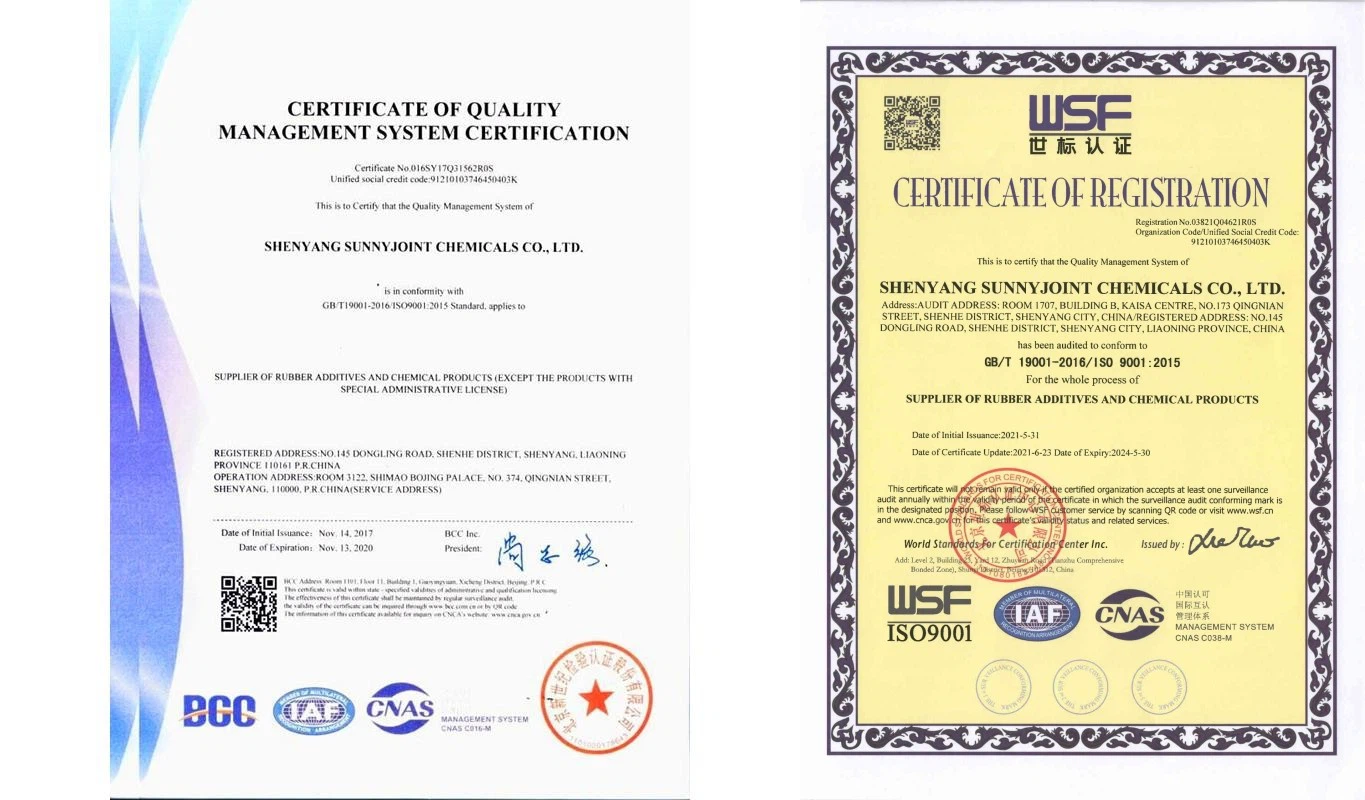
Certifications
FAQ
Q: What is a peptizer?
A: A peptizer is a device or a substance that helps in the formation of peptides, which are short chains of amino acids linked by peptide bonds. In biochemistry, peptizers are often used to facilitate the formation of desired peptides in the laboratory.
Q: How does a peptizer work?
A: Peptizers serve as either oxidation catalysts or radical acceptors, which essentially remove free radicals formed during the initial mixing of the elastomer. This prevents polymer recombination, allowing a consequent drop in polymer molecular weight, and thus the reduction in compound viscosity.
Q: What are some common peptizers used in biochemistry?
A: Common peptizers include reagents like DMSO (dimethyl sulfoxide), IAA (isoleucine), and specific enzymes like peptide bond-forming enzymes.
Q: What are peptides used for?
A: Peptides are sold in dietary supplements including pills or protein shakes. They claim to help you build muscle, boost weight and fat loss, and help with muscle recovery. But there's little direct evidence to back up most of these statements. And it's not clear how well your body can absorb peptides from supplements.
Q: Can peptizers be used for research purposes?
A: Absolutely. Peptizers are crucial tools in research laboratories for the synthesis of custom peptides for experimental purposes.
Q: How are peptizers different from peptide synthesizers?
A: Peptizers are generally used to facilitate the spontaneous formation of peptides, whereas peptide synthesizers are automated instruments that build peptides step by step, amino acid by amino acid, under precise conditions.
Q: What are the advantages of using a peptizer?
A: Peptizers offer a more natural, spontaneous approach to peptide synthesis, which can result in higher yields of the desired peptide and less waste.
Q: What are the limitations of using a peptizer?
A: Peptizers may not be suitable for the synthesis of very large or complex peptides, as their effectiveness is limited to certain types and lengths of peptides.
Q: Can peptizers be used in the pharmaceutical industry?
A: Yes, peptizers are important tools in the pharmaceutical industry for the development and production of therapeutic peptides.
Q: Are there different types of peptizers?
A: Yes, there are various types of peptizers, including chemical peptizers, physical peptizers (like those that use temperature or pressure changes), and biological peptizers (such as enzymes).
Q: What is the role of enzymes in peptide synthesis?
A: Enzymes are biological peptizers that catalyze the formation of peptide bonds, making them highly efficient and specific tools for peptide synthesis.
Q: What is the importance of pH in peptide synthesis?
A: PH is crucial in peptide synthesis because it can affect the ionization state of amino acids and the activity of peptizing agents.
Q: How can temperature affect peptide synthesis?
A: Temperature can impact the solubility of amino acids and the rate of peptide formation, potentially increasing the yield and efficiency of the process.
Q: What is the role of solvents in peptide synthesis?
A: Solvents can influence the solubility of amino acids and the interaction between them, thereby affecting the outcome of the peptization process.
Q: Can peptizers be used for the synthesis of proteins?
A: While peptizers are effective for synthesizing short chains of amino acids (peptides), they are not typically used for the synthesis of full-length proteins. Protein synthesis generally occurs through the biological process of translation, involving ribosomes and messenger RNA (mRNA).
Q: What is the difference between peptization and polymerization?
A: Peptization specifically refers to the formation of peptide bonds between amino acids, resulting in the creation of peptides. Polymerization, on the other hand, is a more general term that refers to the creation of large molecules (polymers) by the chemical combination of many small molecules (monomers).
Q: Can peptizers be used in the production of peptide-based drugs?
A: Yes, peptizers are important tools in the production of peptide-based drugs, helping to efficiently synthesize the active pharmaceutical ingredients.
Q: How can impurities affect peptide synthesis?
A: Impurities can interfere with the peptization process by competing with amino acids for reactivity, potentially leading to decreased yields and compromised quality of the final product.
Q: How can Peptizer be used in quantitative proteomics?
A: Peptizer can be used to compare protein expression levels between different samples, allowing researchers to identify differentially expressed proteins.
Q: How can Peptizer be used to identify biomarkers?
A: Peptizer can be used to compare protein expression levels between healthy and diseased tissues, allowing researchers to identify potential biomarkers.
As a professional China peptizer manufacturer and suppliers, we supply rubber chemical, rubber additive and prepared rubber products with high quality and best price. Feel free to buy our quality peptizer.
