

What is Rubber Accelerator
Rubber Accelerator is a type of chemical additive used in the production of rubber materials. It is designed to enhance the vulcanization process, which is the cross-linking of rubber molecules that gives the material its final properties. Rubber Accelerator can be found in a wide range of products, including tires, hoses, belts, and other rubber goods. It is typically added to the rubber compound before vulcanization and helps to speed up the vulcanization process, reducing processing time and energy requirements. Rubber Accelerator also affects the physical properties of the final rubber product, such as tensile strength, Shore hardness, flexural modulus, tear strength, and fatigue resistance.
Advantages of Rubber Accelerator
Improved Processing Time
One of the primary advantages of using rubber accelerators is that they can significantly improve the processing time of rubber. Without accelerators, the vulcanization process can take several hours or even days. However, with the use of accelerators, the time required for vulcanization can be reduced to just a few minutes, allowing for a more efficient production process.
Enhanced Physical Properties
Accelerators not only speed up the vulcanization process but also enhance the physical properties of the rubber. They can improve the elasticity, strength, and durability of the rubber, making it more suitable for various applications. This is particularly important for applications where the rubber is subjected to high stress or temperature, such as in the automotive and construction industries.
Cost-Effective
The use of rubber accelerators can also be cost-effective. By improving the efficiency of the production process, accelerators can help reduce the overall cost of production. Additionally, the improved physical properties of the rubber can also increase the lifespan of the end product, reducing the need for frequent replacements and saving money in the long run.
Versatility
Rubber accelerators are versatile and can be used with various types of rubber, including natural rubber and synthetic rubber. This makes them a useful tool for manufacturers who produce a wide range of products made from different types of rubber.
Customization
Accelerators can also be customized to suit the specific needs of a production process. Different types of accelerators can be used to achieve different results, such as improving the processing time, enhancing the physical properties of the rubber, or reducing the overall cost of production.
Environmental Considerations
Finally, some rubber accelerators are designed to be more environmentally friendly. These accelerators can reduce the amount of waste produced during the production process and have less of an impact on the environment.
-

Rubber Accelerator TBBS(NS/NZ)
Chemical Name: . N-Tertiarybutyl-2-benzothiazole sulfonamide. Molecular Formula: C11H14N2S2. Add to Inquiry -
MBTS
Chemical Name:. Dibenzothiazole disulfide. Molecular Formula: C14H8N2S4. Molecular Weight: Add to Inquiry -
2-Mercaptobenzothiazole
Chemical Name: 2-Mercaptobenzothiazole. Molecular Formula: C7H5NS2. Molecular Weight: 167.26. Add to Inquiry -
Rubber Accelerator PZ
Chemical Name:. Zinc dimethyl dithiocarbamate. Molecular Formula: C6H12N2S4Zn. Molecular Weight: Add to Inquiry -
DCBS POWDER
Chemical Name: . N'-Dicyclohexyl-2-benzothiazole sulfonamide. Molecular Formula: C19H26N2S2. Add to Inquiry -
Rubber Dpg Granule
Chemical Name:. Diphenyl guanidine. Molecular Formula: C13H13N3. Molecular Weight: 211.27br Add to Inquiry -
RUBBER CBS Granule
Chemical Name:. N-Cyclohexyl-2-benzothiazole sulfenamide. Molecular Formula: C13H16N2S2. Add to Inquiry -
NA-22 POWDER
Chemical Name:. N-N'-Dipthylthiourea. Molecular Formula: C5H17N2S. Molecular Weight: 132.23. Add to Inquiry -
TMT POWDER
Chemical Name:. Tetramethyl thiuram disulfide. Molecular Formula: C6H12N2S4. Molecular Weight: Add to Inquiry -
MBT POWDER
Chemical Name: 2-Mercaptobenzothiazole. Molecular Formula: C7H5NS2. Molecular Weight: 167.26. Add to Inquiry -
ETU POWDER
Chemical Name:. Ethylene thiourea. Molecular Formula: C3H6N2S. Molecular Weight: 102.17. Gravity: Add to Inquiry -
Rubber Accelerator Additive EZ (ZDEC)
Chemical Name:. Zinc diethyl dithiocarbamate. Molecular Formula: C10H20N2S4Zn. Molecular Weight: Add to Inquiry


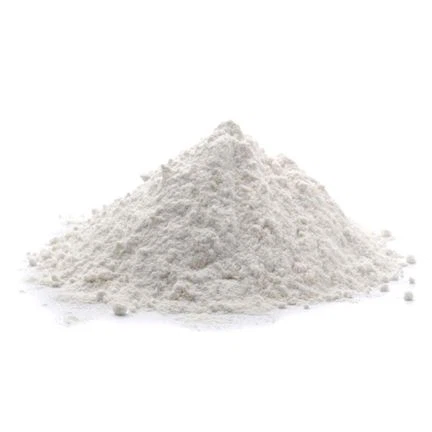


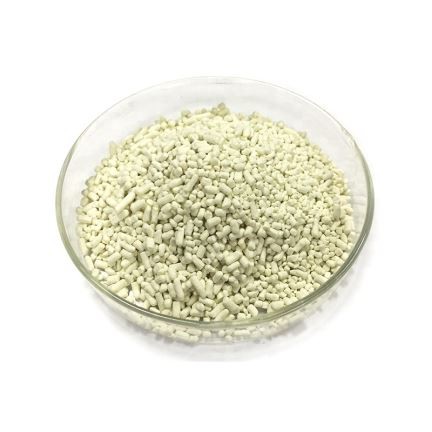


Why Choose Us
High quality products
We always put customer needs and expectations in the first place, refine on, continuous improvement, to seek every opportunity to do better, to provide customers with their expectations of quality products, to provide customers with the most satisfactory service at anytime.
Professional service
We can accept factory inspection and goods inspection at any time. Technical discussion, research and development of new products, and complete after-sales service.
Quality assurance
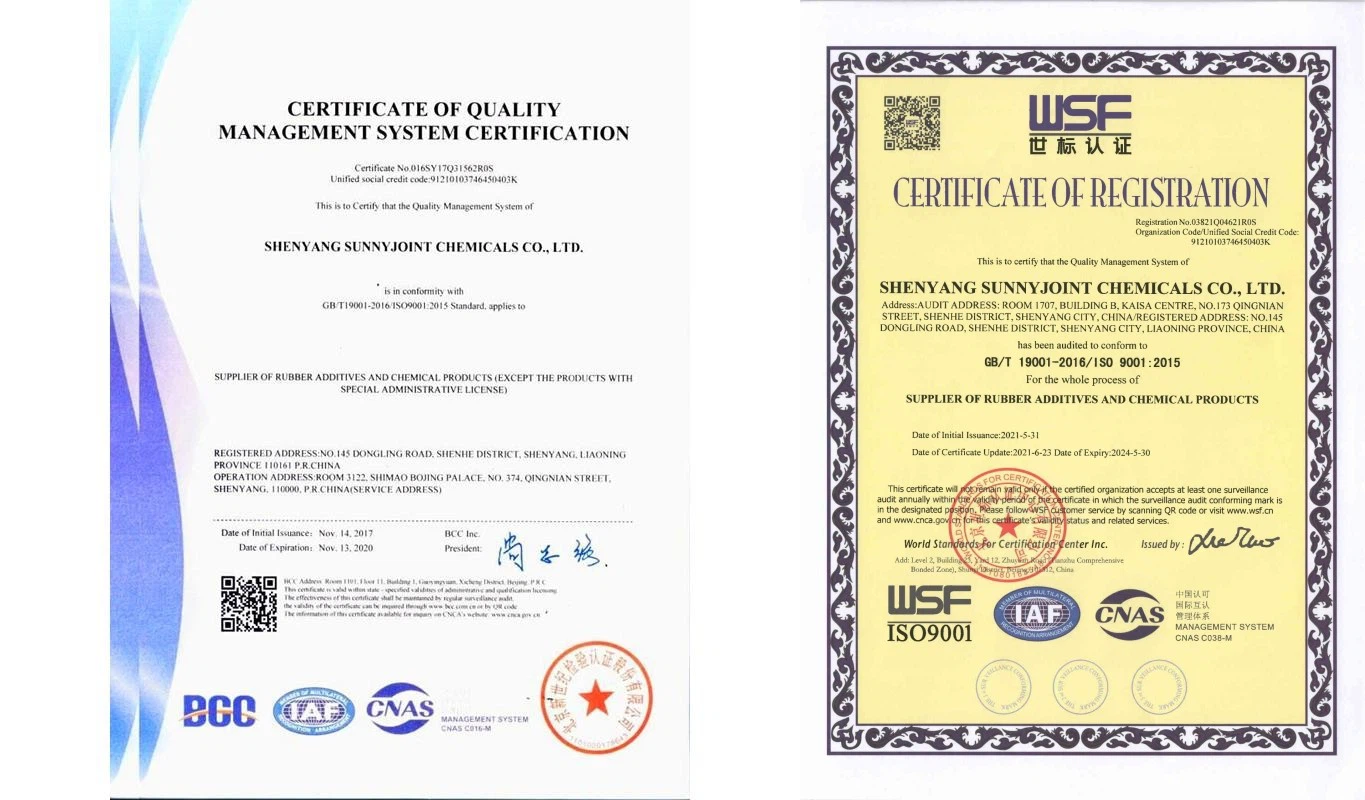
In terms of quality assurance, the company strictly follows the standards and norms of the industry quality system. Adopt industry-leading testing equipment to ensure product quality and good reputation.
Rich experience
Has a long-standing reputation in the industry, which makes it stand out from its competitors. With over many years of experience, they have developed the skills necessary to meet their clients' needs.
Competitive prices
We offer our products at competitive prices, making them affordable for our customers. We believe that high-quality products should not come at a premium, and we strive to make our products accessible to all.
Professional team
We have a team of skilled and experienced professionals who are well-versed in the latest technology and industry standards. Our team is dedicated to ensuring that our customers get the best service and support possible.

What Are the Main Components of Rubber Accelerator
Rubber accelerator is a kind of rubber additive, which can promote the vulcanization reaction of rubber and shorten the vulcanization time. The main components of rubber accelerator are sulfur, thiuram, dithiocarbamate, mercaptobenzothiazole and their derivatives. These components can interact with sulfur in rubber to form sulfur-containing polymers, which can accelerate the vulcanization reaction of rubber. Some rubber accelerators also contain anti-aging agent, plasticizer and other additives to improve the performance of rubber products.
What Are the Different Types of Rubber Accelerators Available
Primary Accelerators
Also known as sulfenamides, primary accelerators are the most commonly used type of rubber accelerator. They are highly effective at promoting vulcanization and are typically used in combination with secondary accelerators to achieve the desired properties. Examples of primary accelerators include N-cyclohexyl-2-benzothiazolesulfenamide (CBS), N-tert-butyl-2-benzothiazolesulfenamide (TBBS), and N,N-dicyclohexyl-2-benzothiazolesulfenamide (DCBS).
Secondary Accelerators
Secondary accelerators are used in combination with primary accelerators to enhance the overall performance of the rubber compound. They help to improve the processing characteristics of the rubber and can also provide additional benefits such as improved aging resistance and heat resistance. Examples of secondary accelerators include thiurams, such as tetramethylthiuram disulfide (TMTD), and guanidines, such as diphenylguanidine (DPG).
Impact Accelerators
Impact accelerators are used to improve the impact resistance of rubber compounds. They are typically used in applications where the rubber is subjected to high stress or impact, such as in the production of tires and conveyor belts. Examples of impact accelerators include thiazoles, such as 2,2'-dithiobisbenzothiazole (MBT), and thioureas, such as ethylbenzothiazolyl-2-sulphenamide (EBS).
Delayed Action Accelerators
Delayed action accelerators are used in applications where a longer lag time is required before vulcanization begins. They are typically used in combination with primary and secondary accelerators and can provide additional benefits such as improved aging resistance and heat resistance. Examples of delayed action accelerators include thiophanates, such as thiophanate-methyl (TMTM), and dithiocarbamates, such as zinc dimethyldithiocarbamate (ZDEC).
Non-Sulfur Accelerators
Non-sulfur accelerators are an alternative to sulfur-based accelerators and are used in applications where the use of sulfur is not desired or not possible. They are typically more expensive than sulfur-based accelerators but can offer improved performance in certain applications. Examples of non-sulfur accelerators include guanidines, such as diphenylguanidine (DPG), and thioureas, such as ethylene thiourea (ETU).
What Is the Difference Between Primary and Secondary Rubber Accelerators
Primary and secondary Rubber Accelerators are two types of chemical additives used in the production of rubber materials. They have different chemical structures and properties, and their functions and application methods are also different.
Primary Rubber Accelerators, also known as vulcanization accelerators, are directly added into the rubber compound before vulcanization. They can promote the vulcanization reaction of rubber and shorten the vulcanization time. Typical primary Rubber Accelerators include guanidine, thiourea, and their derivatives.
Secondary Rubber Accelerators, also known as vulcanization accelerator activators, do not have vulcanization acceleration function by themselves, but can activate the vulcanization accelerator and enhance its vulcanization acceleration effect. Typical secondary Rubber Accelerators include stearic acid, oleic acid, and their metal salts.
The use of secondary Rubber Accelerators can further enhance the vulcanization effect of primary Rubber Accelerators, but also make the vulcanization process more sensitive to temperature and pressure. Therefore, when using secondary Rubber Accelerators, attention should be paid to the control of processing conditions to avoid premature vulcanization and other problems.
What Are the Future Trends in the Development and Innovation of Rubber Accelerators
01/
Green accelerator and sustainable development
As environmental concerns and regulations continue to increase, there is a growing need for environmentally friendly or "green" alternatives to traditional rubber accelerators. These green accelerators are designed to reduce health and environmental impacts while still providing necessary performance benefits. The development of these products will involve the use of renewable resources, biodegradable materials and the reduction of heavy metals and other harmful substances.
02/
Customization and specialization
As the market becomes more competitive, there is a trend towards developing specialized and customized accelerators to meet the specific requirements of different rubber products. This includes creating custom formulations for specific applications, such as high-performance tires, medical devices or specialty footwear.
03/
Nanotechnology
Integrating nanotechnology into rubber accelerator systems can significantly improve performance. Nanomaterials, such as nanoclays or carbon nanotubes, can be used to enhance the dispersion and efficiency of accelerators, allowing for better cross-linking and improved mechanical properties of the vulcanized rubber.
04/
Biotechnology
Biotechnological methods, such as precision bacterial fermentation production, can be explored for sustainable production of rubber accelerators. These methods may offer greener, more cost-effective production methods, as well as the potential for large-scale manufacturing.
05/
Multifunctional additives
The trend in developing multifunctional additives is to combine the properties of multiple ingredients in a single product. For example, accelerators can also act as fillers, antioxidants or plasticizers, reducing the overall complexity of the rubber compound and potentially reducing costs.
06/
Digitization and automation
The use of digital tools and automation in rubber accelerator production is likely to increase, leading to more precise formulations and manufacturing processes. Advanced analytics, including machine learning and artificial intelligence, can be used to optimize production parameters and predict the performance characteristics of new materials.
What Are Some Common Uses for Rubber Accelerators in Various Industries




Automotive Industry
In the automotive industry, rubber accelerators are used in the production of tires, tubes, hoses, belts, and seals. These components require high performance and durability, and the accelerators ensure that the rubber can withstand the demands of the vehicle.
Construction Industry
The construction industry uses rubber accelerators in the production of seals, gaskets, and insulation materials. These products must be able to withstand harsh environments and changing weather conditions, and the accelerators help to provide the necessary durability.
Footwear Industry
In the footwear industry, rubber accelerators are used to produce soles, heels, and other components that require elasticity and durability. The accelerators help to ensure that the rubber maintains its properties over time and through repeated use.
Medical Industry
The medical industry relies on rubber accelerators for the production of gloves, condoms, and other medical devices that require a combination of elasticity, strength, and resistance to various conditions.
Industrial Hoses and Belting
Industrial hoses and belting require robust rubber that can withstand pressure, heat, and movement. Rubber accelerators help in the production of these items to ensure they perform reliably under harsh conditions.
Toys and Sports Equipment
Toys and sports equipment, such as balls, skipping ropes, and rubber bands, require a specific blend of elasticity and resilience. Accelerators are used to ensure that these products can withstand the demands of active play.
Flooring and Matting
Rubber flooring and matting, used in both residential and commercial settings, require materials that can withstand heavy foot traffic and maintain their appearance over time. Rubber accelerators help in producing such materials with the necessary durability.
How Can Rubber Accelerators Be Recycled or Disposed of Safely
Waste Rubber Recycling
Old rubber products can be recycled into new products through processes such as shredding, grinding, and recompounding. This reduces the demand for raw materials and extends the life of the original rubber.
Energy Recovery
If recycling is not feasible, waste rubber can be used as a fuel source in cement kilns and other industrial processes that require high temperatures. This process is known as energy recovery, and it reduces the reliance on fossil fuels while also disposing of the rubber.
Pyrolysis
Pyrolysis is a process that involves heating waste rubber in the absence of oxygen to break it down into smaller components, such as gases, liquids, and char. These components can then be further refined and used as fuels or feedstocks for other chemical processes.
Safe Disposal
If none of the above options are viable, waste rubber should be disposed of in accordance with local environmental regulations. This may involve sending the rubber to a landfill or an industrial waste facility equipped to handle such materials.
Reducing Accelerator Use
In the long term, the industry is working on reducing the amount of rubber accelerators used in production by developing more efficient and sustainable alternatives. This approach minimizes the amount of accelerators that need to be managed at the end of a product's life.
Eco-Design
Product designers can incorporate principles of eco-design to create products that are easier to disassemble and recycle at the end of their life. This approach can reduce the environmental impact of waste rubber and its accelerators.
How Can the Quality of Rubber Accelerator Be Assured During Production
To ensure the quality of Rubber Accelerators during production, several measures can be taken. Firstly, high-quality raw materials should be selected, including starting materials, auxiliaries, and additives. These materials should meet the specified standards and have good stability and purity.
Strict process control is essential to ensure the quality of Rubber Accelerators. The production process should be optimized and standardized to minimize the impact of impurities and other factors on product quality. Regular equipment maintenance and cleaning should also be carried out to avoid cross-contamination and product degradation.
Quality inspection should be conducted at each production stage to ensure that the specifications and quality requirements of Rubber Accelerators are met. This includes testing the appearance, purity, stability, and other properties of the products. If any problems are found, appropriate measures should be taken to correct them in time.
Appropriate storage and transportation methods should be adopted to ensure the quality of Rubber Accelerators. The storage and transportation conditions should meet the requirements of the products, such as temperature, humidity, and light exposure. In addition, appropriate packaging should be used to protect the products from moisture, dust, and other impurities.
Continuous improvement and innovation are needed to improve the quality of Rubber Accelerators. By continuously optimizing production processes, improving equipment, and introducing new technologies, it is possible to produce high-quality Rubber Accelerators that meet the needs of various industries.
How Can the Shelf Life of Rubber Accelerator Be Extended
Proper Storage Conditions
Rubber accelerators should be stored in a clean, dry environment that is protected from direct sunlight and extreme temperature fluctuations. Exposure to moisture and high temperatures can accelerate the degradation of these chemicals.
Correct Packaging
Accelerators should be stored in their original, sealed packaging to prevent exposure to air and contaminants. Packaging should be checked regularly for any signs of damage that might allow air or moisture to enter.
Regular Inventory Management
Maintaining a regular inventory management system can help ensure that rubber accelerators are used in a timely manner. Older inventory should be used first to prevent storing products for extended periods.
Stability Testing
Manufacturers should conduct stability testing to determine the shelf life of their specific rubber accelerator formulations. This can provide information on how the product performs under different storage conditions and how to best preserve it.
Training and Awareness
Ensuring that staff working with rubber accelerators are properly trained can help prevent improper handling that could affect shelf life. Employees should understand the importance of proper storage and handling procedures.
First In, First Out (FIFO) Principle
Implementing the FIFO method for inventory rotation ensures that the oldest stock is used first, reducing the chances of expired or degraded materials remaining in storage.
Our Factory
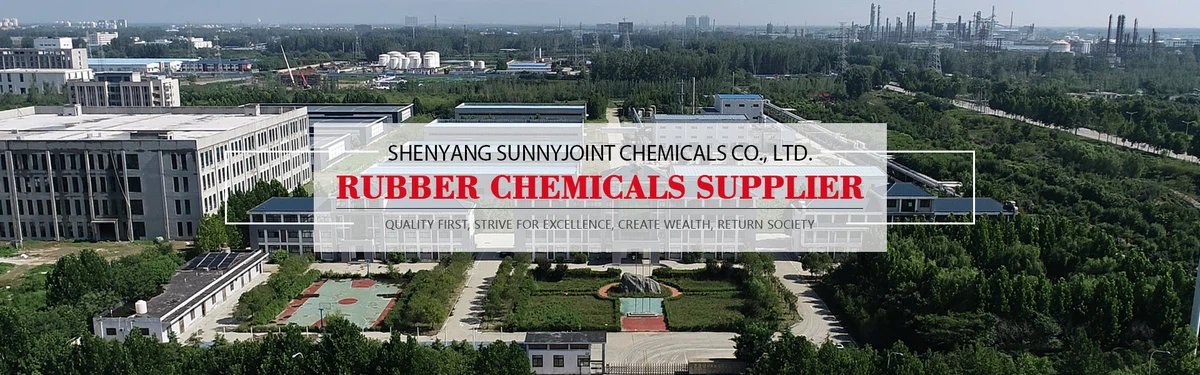
Shenyang Sunnyjoint Chemicals Co., Ltd. is a professional rubber chemicals supplier established in 2003, located in Shenyang, Liaoning province. We devote to rubber chemicals' research, development, production, and sales. The main serials of our products are rubber accelerator, rubber antioxidant, vulcanizing agent, antiscorching agent and so on.
Certifications
FAQ
Q: How can the dosage of rubber accelerators be determined?
A: The dosage of rubber accelerators is determined through laboratory testing and formulation development. Factors such as the type of rubber, curing system, desired properties, and processing conditions are considered to optimize the accelerator dosage.
Q: Can rubber accelerators be used in combination with other additives?
A: Yes, rubber accelerators are often used in combination with other additives, such as antioxidants, antiozonants, and processing aids, to achieve desired performance and processing characteristics in rubber compounds.
Q: Are there any regulations or standards for rubber accelerators?
A: Various regulations and standards govern the use of rubber accelerators, depending on the application and region. Examples include REACH (Registration, Evaluation, Authorization, and Restriction of Chemicals) in the European Union and FDA (Food and Drug Administration) regulations in the United States.
Q: Can rubber accelerators cause discoloration or staining in rubber products?
A: Some rubber accelerators, particularly those containing sulfur, may cause discoloration or staining in light-colored or transparent rubber products. It is important to select accelerators that minimize discoloration effects if appearance is a critical factor.
Q: Can rubber accelerators be used in latex or foam rubber products?
A: Rubber accelerators can be used in latex or foam rubber products, but specific accelerators suitable for these applications should be selected. Compatibility with latex or foam formulations and the desired properties of the final product should be considered.
Q: Can rubber accelerators be used in automotive or tire applications?
A: Rubber accelerators are widely used in automotive and tire applications to improve the performance and durability of rubber components. Accelerators suitable for these applications are available, considering factors such as heat resistance, aging resistance, and compatibility with other additives.
Q: Can rubber accelerators affect the odor of rubber products?
A: Some rubber accelerators may contribute to the odor of rubber products, particularly during the curing process. It is important to select accelerators with low odor characteristics if odor is a concern.
Q: Can rubber accelerators be used in rubber recycling processes?
A: Rubber accelerators can affect the efficiency and quality of rubber recycling processes. It is crucial to consider the impact of accelerators on the recycling process and select appropriate accelerators that do not hinder recycling efforts.
Q: Can rubber accelerators be used in underwater or marine applications?
A: Rubber accelerators used in underwater or marine applications should be selected carefully to ensure compatibility with water and resistance to degradation caused by exposure to moisture, saltwater, or other environmental factors.
Q: Can rubber accelerators be used in high-performance rubber compounds?
A: Yes, rubber accelerators can be used in high-performance rubber compounds, such as those used in aerospace, industrial, or specialty applications. Accelerators suitable for high-performance compounds are available, offering enhanced properties and performance characteristics.
Q: How do rubber accelerators work?
A: Rubber accelerators work by increasing the rate of chemical reactions between rubber molecules, known as cross-linking. This process forms a three-dimensional network structure, improving the mechanical properties of the rubber.
Q: What are the common types of rubber accelerators?
A: Common types of rubber accelerators include sulfenamides, thiazoles, thiurams, dithiocarbamates, and guanidines. Each type has specific characteristics and is suitable for different rubber applications.
Q: What are the benefits of using rubber accelerators?
A: Using rubber accelerators offers several benefits, including reduced curing time, improved processing efficiency, enhanced physical properties of rubber, increased productivity, and cost savings.
Q: Are rubber accelerators safe to use?
A: Rubber accelerators are generally safe when used properly. However, some accelerators may cause skin sensitization or allergic reactions in certain individuals. It is important to follow safety guidelines, use appropriate protective equipment, and handle them responsibly.
As a professional China rubber accelerator manufacturer and suppliers, we supply rubber chemical, rubber additive and prepared rubber products with high quality and best price. Feel free to buy our quality rubber accelerator.
